
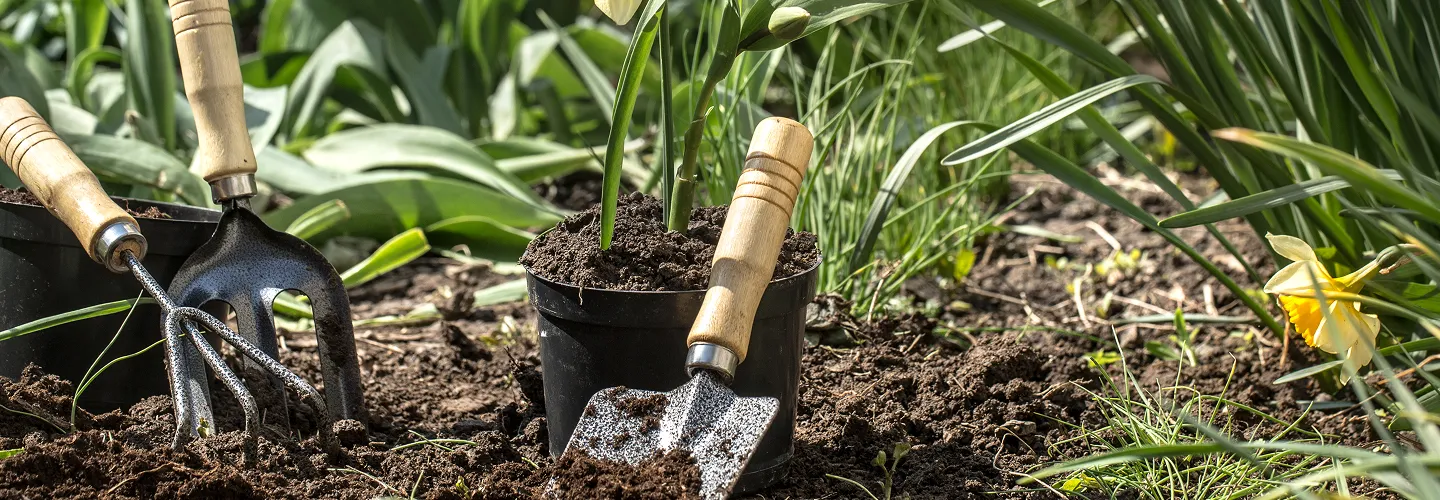
West Chicago Lawn Edging Services
Choose our expert lawn edging to give your yard a clean, polished look that enhances curb appeal and makes maintenance easier—experience the difference of professional precision and lasting results.
Get a Free QuoteOur West Chicago Landscaping & Yard Care Services
When to Schedule Lawn Edging in West Chicago, IL – Seasonal Guide
In West Chicago, IL, the best times to schedule lawn edging are typically in early spring and late summer, when the ground is workable and grass growth is most active. The region’s climate, with its cold winters and humid summers, means that soil can remain frozen well into March, especially in neighborhoods near Reed-Keppler Park or along the DuPage River. Waiting until after the last frost date—usually in mid-April—ensures the soil is soft enough for clean, precise edging. Late summer, after the peak heat and before autumn leaves begin to fall, is another ideal window, as lawns recover from summer stress and prepare for the cooler months ahead.
Local environmental factors play a significant role in determining the optimal timing for lawn edging. Areas with dense shade, such as those near the Timber Ridge Forest Preserve, may experience slower soil thaw and higher moisture retention, while properties with sandy or clay-heavy soils—common in the St. Andrews and Prince Crossing neighborhoods—require special attention to drainage and compaction. Additionally, West Chicago’s periodic drought risk and heavy summer rains can impact both the health of your turf and the effectiveness of edging. Always check for any municipal restrictions or seasonal guidelines by visiting the City of West Chicago Official Website.
Local Factors to Consider for Lawn Edging in West Chicago
- Proximity to large trees and shade coverage
- Soil type (clay, loam, or sandy soils)
- Average precipitation and risk of drought
- Frost dates and soil thaw timing
- Terrain slope and drainage patterns
- Local municipal restrictions or service schedules
- Neighborhood-specific microclimates
Benefits of Lawn Edging in West Chicago

Enhanced Curb Appeal
Weed Growth Prevention
Defined Landscape Borders
Reduced Lawn Maintenance
Improved Drainage Control
Long-Lasting Results
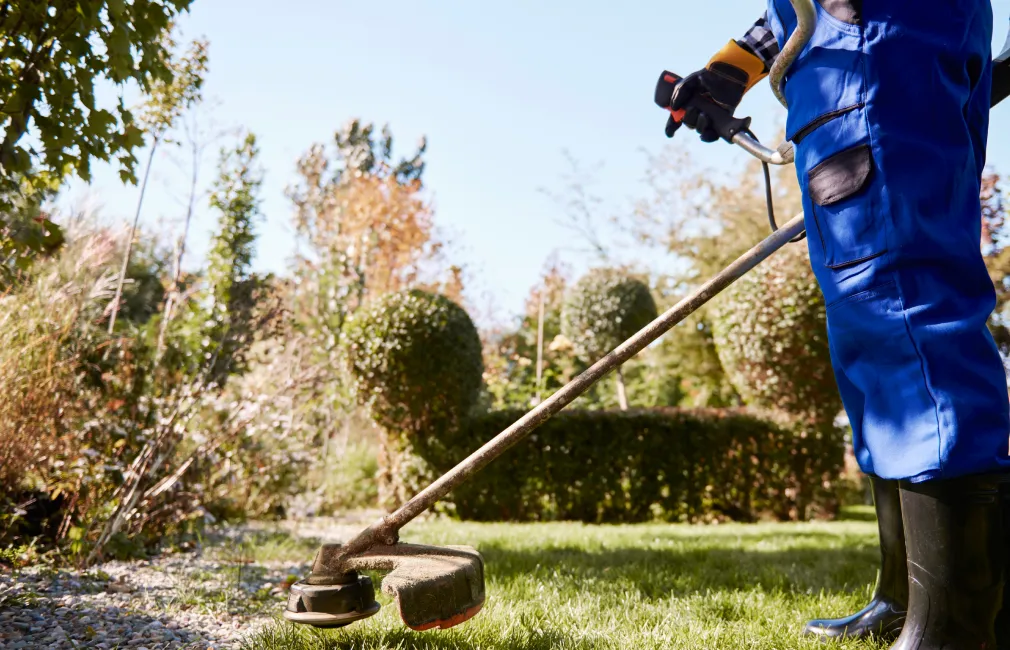
West Chicago Lawn Edging Types

Brick Lawn Edging
Brick edging offers a classic and durable border for your landscape.
-
Metal Lawn Edging
Metal edging provides a sleek, modern look and long-lasting performance.
-
Plastic Lawn Edging
Plastic edging is flexible, affordable, and easy to install for various garden shapes.
-
Stone Lawn Edging
Stone edging creates a natural and elegant boundary for your lawn and garden beds.
-
Concrete Lawn Edging
Concrete edging delivers a sturdy and customizable solution for landscape borders.
-
Wood Lawn Edging
Wood edging brings a rustic charm and blends seamlessly with natural surroundings.
Our Lawn Edging Process
Site Evaluation
Marking Edges
Cutting the Edge
Debris Removal
Final Inspection
Why Choose West Chicago Landscape Services

-
West Chicago Homeowners Trust Us
-
Expert Lawn Maintenance
-
Reliable Seasonal Cleanup
-
Competitive Pricing
-
Professional Team
-
Satisfaction Guarantee
-
Personalized Service
Contact West Chicago's Department of Public Works for Edging Debris Disposal & Municipal Right-of-Way Coordination
Proper disposal of lawn edging debris in West Chicago is essential for environmental compliance and community cleanliness. Residents and contractors must utilize the city's seasonal yard waste collection program, which accepts soil, sod strips, and organic debris in biodegradable paper bags or via loose collection on designated days. For bulk materials or old edging (metal, plastic, concrete), the Transfer Station/Recycling Center provides drop-off services, often requiring a permit and a nominal fee. Always check operating hours and current procedures. When working near sidewalks, streets, or parkways, advance notification to the Department of Public Works is required to coordinate right-of-way access, protect municipal trees, and align with city maintenance schedules. Material staging must prevent debris migration into storm drains, and immediate cleanup is mandatory to comply with the Illinois yard waste landfill ban and protect local infrastructure. Integration with municipal projects, such as sidewalk replacement or beautification initiatives, is coordinated through the city.
West Chicago Department of Public Works
475 Main Street, West Chicago, IL 60185
Phone: (630) 293-2255
Official Website: West Chicago Public Works Department
Property Line Compliance, Setback Requirements & Utility Protection for Lawn Edging in West Chicago
Lawn edging projects in West Chicago must adhere to local zoning ordinances, which typically require setbacks of 3-10 feet from property lines, depending on the zoning district. Edging near municipal sidewalks, streets, or within utility easements demands strict compliance with setback and access requirements. Before any excavation, Illinois law mandates contacting JULIE (811) at least 48 hours in advance to mark underground utilities, including irrigation, lighting, and dog fences. Hand-digging is required within 18 inches of marked lines. Safety protocols include using PPE such as safety glasses, hearing protection, steel-toed boots, and cut-resistant gloves, along with maintaining sharp, well-serviced equipment. Public safety is paramount—maintain clear sight lines at intersections, avoid blocking fire hydrants or emergency routes, and ensure all work is covered by at least $1 million in general liability insurance. For boundary verification and compliance questions, consult the Planning Department.
West Chicago Planning Department
475 Main Street, West Chicago, IL 60185
Phone: (630) 293-2200
Official Website: West Chicago Community Development Department
West Chicago Environmental Compliance Requirements for Edging Near Protected Areas
Edging near West Chicago’s streams, wetlands, or conservation areas requires careful coordination with state and federal agencies. Permits may be needed from the Illinois Department of Natural Resources and the Illinois Environmental Protection Agency, especially for work within buffer zones or during wildlife breeding seasons (April–July). Protecting mature tree root systems and using non-toxic, inert materials near water bodies is essential. Erosion control measures, such as silt fences or straw wattles, must be installed to stabilize disturbed soils and prevent runoff. For larger projects or those near sensitive habitats, advance consultation and documentation with local environmental compliance officers is required. Always maintain natural drainage patterns and comply with all relevant Illinois EPA and IDNR standards to support environmental stewardship.
Professional Edging Material Selection & Installation Techniques for West Chicago's Prairie Clay & Glacial Till Soils
West Chicago’s soils are predominantly heavy prairie clay and glacial till, which influence both material selection and installation methods. Key material options include:
- Flexible Plastic/Rubber Edging: Cost-effective ($0.50–$1.50/ft), easy to install, ideal for curves, 5–10 year lifespan
- Metal Edging (Aluminum/Steel): Durable ($2–$4/ft), clean lines, 15–25 year lifespan, requires corrosion-resistant coatings for salt and moisture
- Natural Stone/Brick: Aesthetic ($3–$8/ft), permeable, suitable for historic districts, permanent installation
- Poured Concrete Curbing: Most durable ($4–$10/ft), custom designs, 25+ year lifespan, excellent for freeze-thaw cycles
Installation requires excavating to a depth of 6–8 inches (well below the frost line of 36–48 inches), preparing a 3/4" crushed stone base for drainage, and ensuring proper alignment and grade. Backfill must be compacted to prevent settling, and all materials should be selected for UV stability and salt resistance, especially in roadside applications. For detailed soil data, consult the USDA Web Soil Survey.
Seasonal Edging Calendar & Weather Timing for West Chicago's Climate Zone 5b
West Chicago is located in USDA Hardiness Zone 5b, with cold winters and warm, humid summers. The optimal window for lawn edging is April–May, after ground thaw and before peak growth. Summer (June–August) offers good soil conditions but avoid extreme heat. Fall (September–October) is ideal for establishing edges before winter. Winter (November–March) is generally unsuitable due to frozen ground and equipment limitations. Always monitor National Weather Service Chicago forecasts for soil moisture, temperature (minimum 50°F for concrete), and precipitation to avoid muddy conditions. Schedule work to minimize stress on adjacent plantings and avoid wildlife breeding periods. Coordinate with municipal maintenance for street tree pruning and sidewalk cleaning to ensure seamless integration with city programs.
Stormwater Management & NPDES Compliance During Edging Operations in West Chicago
Compliance with the federal Clean Water Act and the Illinois EPA MS4 program is mandatory for all edging operations in West Chicago. Preventing soil and debris from entering storm drains is critical—use barriers and immediate cleanup to protect catch basins. Maintain natural water flow and integrate with existing drainage systems, especially in clay soils prone to poor drainage. Permeable materials like stone or brick can aid stormwater infiltration. During construction, control dust and slurry with wet cutting methods and stage materials away from storm inlets. Long-term, proper grading and edge definition improve property drainage and support the city’s green infrastructure initiatives. For more information, visit EPA NPDES and U.S. EPA Region 5.
Integration with Municipal Sidewalk, Curbing & ADA Accessibility Requirements
Edging projects adjacent to municipal sidewalks or curbs must comply with ADA requirements for flush transitions and curb ramps. Coordination with the Building Department is necessary for any work affecting city property or infrastructure improvements. The Engineering Department oversees drainage integration and ensures compliance with municipal engineering standards. During operations, pedestrian safety is paramount—install signage and barriers, maintain emergency vehicle access, and coordinate with the Police Department for traffic control if needed. All work must pass inspection and receive a certificate of completion for permitted projects.
West Chicago Building Department/Community Development
475 Main Street, West Chicago, IL 60185
Phone: (630) 293-2200
Official Website: West Chicago Building Permits
West Chicago Engineering Department
475 Main Street, West Chicago, IL 60185
Phone: (630) 293-2200
Official Website: West Chicago Community Development Department
West Chicago Police Department
325 Spencer Street, West Chicago, IL 60185
Phone: (630) 293-2222
Official Website: West Chicago Police Department
Post-Edging Maintenance & Long-Term Landscape Management in West Chicago
Ongoing maintenance is vital for the longevity and appearance of lawn edging in West Chicago. Inspect edges monthly during the growing season for alignment and integrity, and adjust seasonally for frost heaving or settling—common in local clay soils. Control weeds and manage vegetation along edge lines, coordinating with mowing and fertilization schedules. Plan for spring repairs after freeze-thaw cycles, summer monitoring for settling, fall debris removal, and winter protection from snow removal equipment. Long-term, schedule material replacement based on expected lifespan (5–25 years) and integrate edging updates with broader landscape improvements to maintain property value and community standards.
What Neighborhoods Do We Serve Throughout West Chicago, IL?
West Chicago features diverse neighborhoods, each with unique edging considerations:
- Historic Downtown: Small lots, complex property lines, and historic preservation standards require stone or brick edging compatible with bungalow and prairie-style architecture. Sidewalk proximity and mature street trees demand careful utility and root protection.
- Prairie Oaks: Larger lots, HOA standards, and extensive parkways necessitate durable materials and coordination with boulevard landscaping. Clay soils and floodplain proximity require enhanced drainage and erosion control.
- Forest Trails: Wooded lots with mature trees and conservation area adjacency require non-toxic materials, root protection, and buffer zone compliance. Equipment access may be limited by narrow drives and dense vegetation.
- Cornerstone Lakes: Modern subdivisions with uniform setbacks, underground utilities, and sidewalk integration. Metal or concrete edging is preferred for clean lines and durability, with strict adherence to municipal right-of-way and inspection schedules.
- Westlink Industrial Park: Commercial properties with high utility density, wide parkways, and heavy equipment access. Concrete curbing is common, and coordination with city beautification projects is essential.
- Easton Park: Newer developments with HOA guidelines, alley access, and stormwater management features. Permeable materials and careful grading are required to integrate with green infrastructure.
- Truman Heights: Older residential area with variable lot sizes, mature trees, and proximity to the West Branch DuPage River. Floodplain management, root protection, and compliance with environmental buffer zones are critical.
West Chicago Municipal Ordinances for Edging Equipment Operation & Commercial Service Standards
All lawn edging equipment in West Chicago must be operated within permitted hours, typically 7:00 a.m. to 7:00 p.m. on weekdays and 8:00 a.m. to 5:00 p.m. on weekends, per local noise ordinances. Commercial landscape services must be licensed and insured, with proof of liability coverage and bonding for municipal work. Operators are required to follow strict safety protocols, including PPE use, equipment maintenance, and public safety measures. Compliance with all city, state, and federal regulations—including ADA, NPDES, and environmental standards—is mandatory for all commercial and residential projects. For detailed ordinance information, consult the city’s official website.
West Chicago Department of Public Works
475 Main Street, West Chicago, IL 60185
Phone: (630) 293-2255
Official Website: West Chicago Public Works Department